Amaryllis bulbs rot from too much water far more often than they fail from too little. Plant the bulb in a snug pot with its top third above the soil, water very little until a flower stalk is growing, and the bulb will do the rest. After blooming, you can keep it and get flowers again next winter.
The big, trumpet-flowered bulbs sold in autumn are amaryllis (Hippeastrum). They arrive dry, usually in a kit with a pot or loose in a box. Flowers usually come about 6 to 8 weeks after planting, often around the holidays, though it can take longer.
Choosing a bulb
Pick a bulb that feels firm and heavy, with no soft spots, mould or deep cuts. Bigger bulbs usually send up more than one flower stalk. A bit of dry papery skin is normal. A small green tip at the top means the bulb is already waking up.
Potting an amaryllis
Amaryllis bulbs flower best when slightly crowded. Choose a pot only 2 to 3 cm wider than the bulb on each side. A bigger pot holds extra wet soil, and the bulb can rot before it grows.
You don’t need special soil. An ordinary potting mix with decent drainage is fine, and a handful of perlite mixed in doesn’t hurt. Our Aroid Mix would also work, but this plant doesn’t need it, so use what you have.
- If the bulb has roots, set them in lukewarm water for a few hours. Don’t soak the whole bulb.
- Put a few centimetres of soil in the bottom of the pot.
- Set the bulb root-side down with the roots spread out.
- Add mix until the bottom half to two-thirds of the bulb is covered. The top third stays above the surface.
- Give it one small drink so the soil is lightly damp.
The pot needs a drainage hole. A heavy glazed or terracotta pot helps, because tall flower stalks and big blooms can topple a light plastic one.
Light and temperature
Put the pot in a warm, bright spot. Around 20 to 24°C wakes the bulb up fastest. Once the flower stalk is up, a slightly cooler spot, around 18 to 20°C and out of hot direct sun, helps the blooms last longer.
Turn the pot a quarter turn every day or two. The stalk leans toward the light, and turning keeps it upright. A thin bamboo cane is a sensible support for a tall one.
Watering
This is where most bulbs are lost.
- Before growth shows: water very lightly, just enough that the soil isn’t bone dry. The bulb has stored water.
- Once a shoot appears: water when the top 2 to 3 cm of soil is dry. Soak, drain, and empty the saucer.
- While in bloom: water the same way, and don’t let the roots sit in water.
A soft bulb, a brown mushy base or a bad smell means rot. Our root rot guide shows how to spot and trim it. If only part of the bulb is soft, you can cut it away, let the bulb dry for a day, and replant it in fresh dry mix.
During and after the flowers
Each stalk may carry four or more blooms, and the flowers last about two to four weeks. Snip off each bloom as it fades. When the whole stalk has finished, cut it near the base of the bulb. Leave the leaves alone, because they recharge the bulb for next year.
Keeping the bulb for next year
Many people toss the bulb after flowering. It can bloom again if you look after the leaves.
Spring and summer
Keep the plant in a bright window and water regularly once the leaves have grown. Fertilize every two to three weeks with a diluted houseplant fertilizer, following the label. Our potting mixes have no fertilizer, so the plant depends on what you add.
After the last frost date for your area, you can move the pot outdoors to a spot with morning sun and afternoon shade. Bring it back inside before nights drop below about 10°C.
Late summer and autumn rest
Amaryllis needs a rest to flower again.
- In late summer, around August or September, stop fertilizing and water less and less.
- Let the leaves yellow and die back. This is normal. Trim them off when they’re dry.
- Store the bulb somewhere cool and dark, such as a basement or closet at roughly 10 to 13°C. Leave it in its pot or lift it out.
- Wait about eight to ten weeks.
- When you see a new green tip, or when the rest is up, move the bulb to a bright, warm spot and water lightly.
For blooms at Christmas, work backwards from the date. A rest of about two months plus 6 to 8 weeks of growth gives a rough schedule.
Repotting
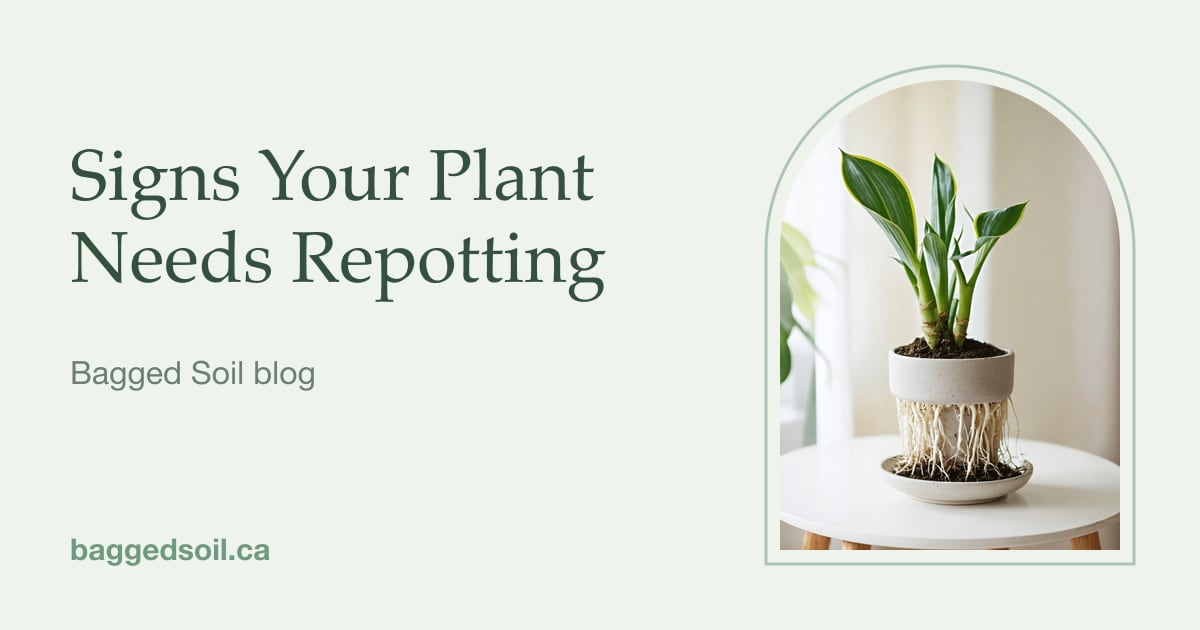
Amaryllis likes to be crowded, so repot only every three to four years, right after the rest when you restart it. In other years, refresh the top few centimetres of soil. See signs your plant needs repotting if you’re unsure.
Common problems
- The flower stalk falls over. There’s too little light, or the pot is too light. Stake it.
- Leaves grow but no flower. The bulb needs more light and a proper rest.
- Red streaks or spots on the bulb. This can be red blotch, a fungal issue. Cut away affected tissue and keep the bulb drier.
- Leaves yellow during growth. Too much water is the usual cause.