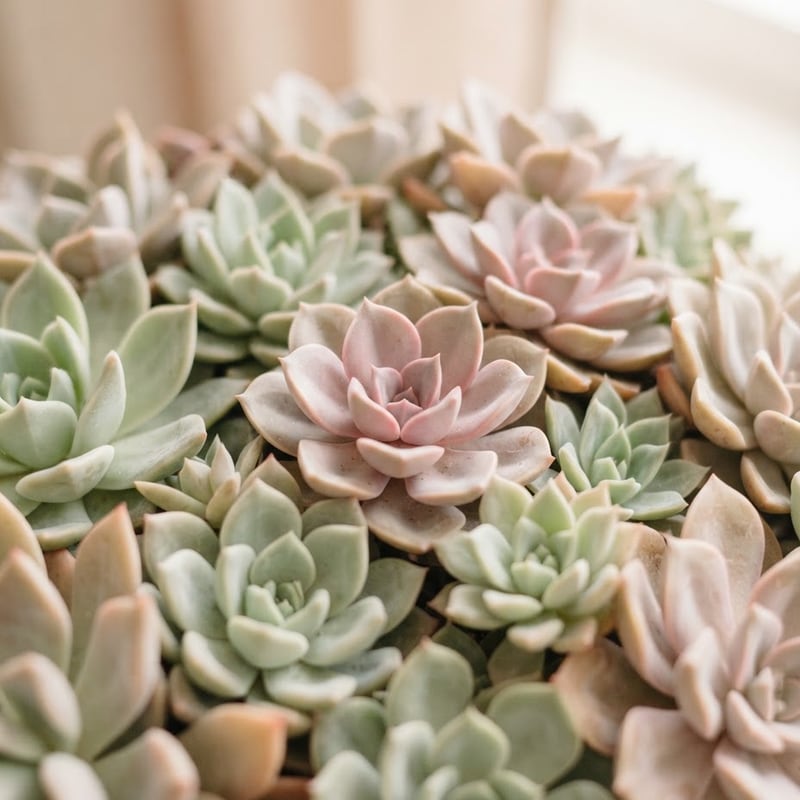
The best soil for succulents is gritty, light and fast-draining: it should be wet after watering and mostly dry again within a week. A mix of something that holds a little water, like coir, with plenty of mineral grit, like pumice or perlite, does the job. Dense, peaty soil is the main thing to avoid.
Why succulents need different soil
Succulents come from places where rain is rare and dry spells are long. They store water in their leaves and stems, so their roots don’t need to sit in moisture. In a pot indoors, heavy soil stays wet for days. Roots without air start to rot, and the leaves go soft and translucent.
Most succulent problems that look like disease are actually watering and soil problems. A good mix gives you a wider safety margin when you water too often, which almost everyone does.
What’s in a good succulent mix
You’ll see a handful of ingredients over and over. Each has a job.
Mineral grit: pumice, perlite, coarse sand
This is the part that makes the mix drain. Pumice is a light volcanic rock that doesn’t break down and doesn’t float to the top. Perlite is a puffed volcanic glass that’s very light, though it can rise to the surface over time. Coarse sand (not fine beach sand, which packs tight) adds weight. Perlite vs vermiculite explains how those two differ, and why vermiculite is usually left out of a succulent mix.
Organic material: coir, bark, a little peat
A bit of organic material holds some moisture and gives roots something to grip. Coco coir does this well and rewets easily once dry. Fine bark pieces also work. Too much organic matter means the pot stays wet. Too little and water runs straight through without wetting the roots.
Charcoal
Horticultural charcoal is a common extra. Growers use it to keep the mix open and fresh-smelling. It isn’t essential.
What to avoid
- Standard potting soil used straight. Great for leafy tropical plants, too wet for most succulents.
- Garden soil or topsoil. Too dense, and it can bring in pests and weed seeds.
- Fine sand. Fills the gaps between particles and makes the mix compact.
- Gravel layers at the bottom of the pot. The idea goes around a lot, but it doesn’t help. Water collects above the gravel, which keeps the soil wetter. Use a drainage hole instead.
- Moisture-retaining crystals. The opposite of what succulents want.
How to test a mix
You can judge a mix at home in two minutes.
- Squeeze test. Dampen a handful and squeeze. A good succulent mix falls apart when you open your hand. If it stays in a tight wet ball, it holds too much water.
- Drain test. Water a filled pot. Water should start running from the drainage hole almost immediately.
- Dry-down test. In a bright room, a succulent pot should be dry a few centimetres down within about a week. Cooler, darker winter rooms take longer.
Our mix, and a homemade option
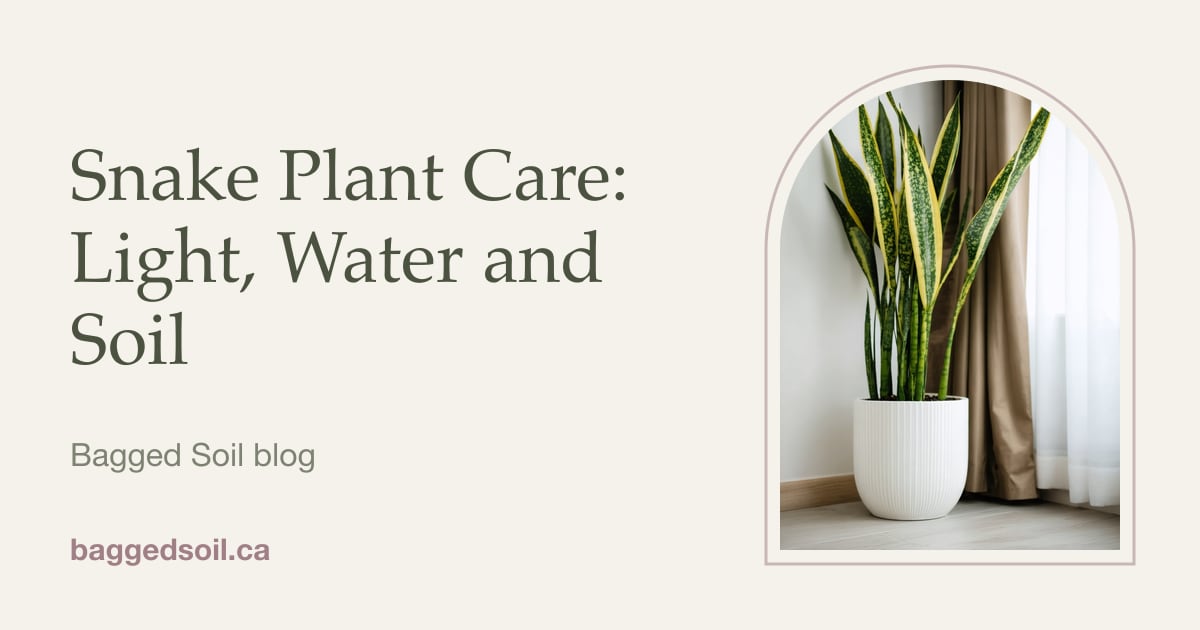
Our Succulent & Cactus Mix is made from pumice, coco coir, perlite and charcoal. It’s meant for succulents and cacti, and also suits snake plant, ZZ plant and Christmas cactus. It contains no fertilizer, so add a diluted one in the growing season if you like.
If you want to mix your own, a simple start is regular potting soil plus about the same amount of perlite or pumice, adjusted until it passes the squeeze test above. The more grit you add, the more forgiving it is, and the more often you’ll need to water.
When regular soil is fine
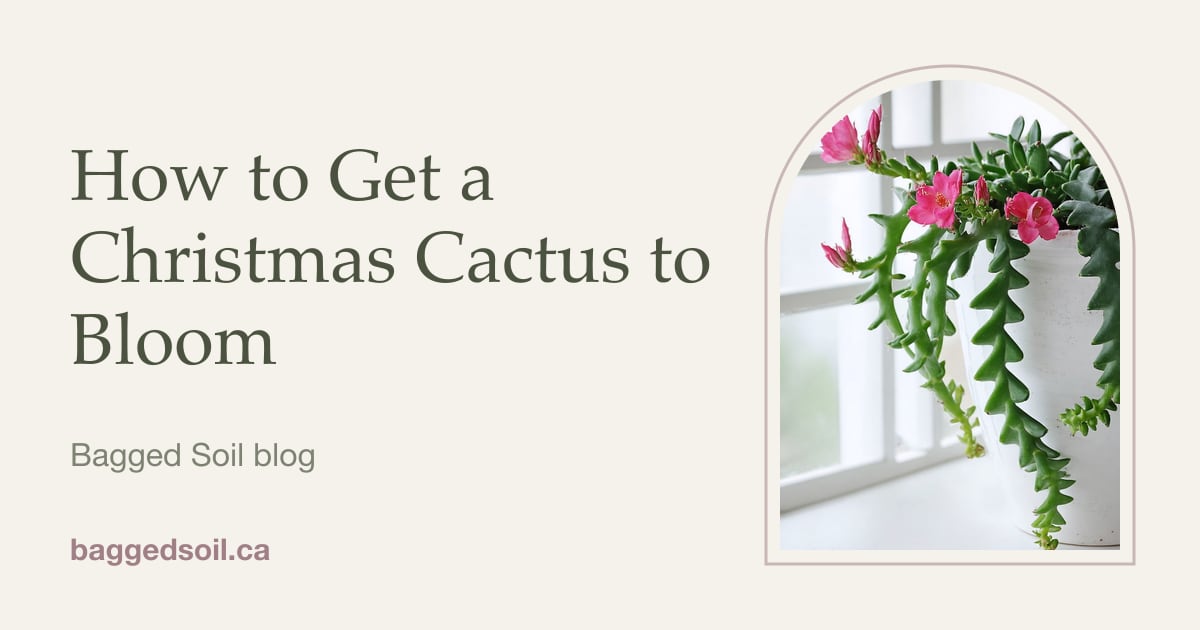
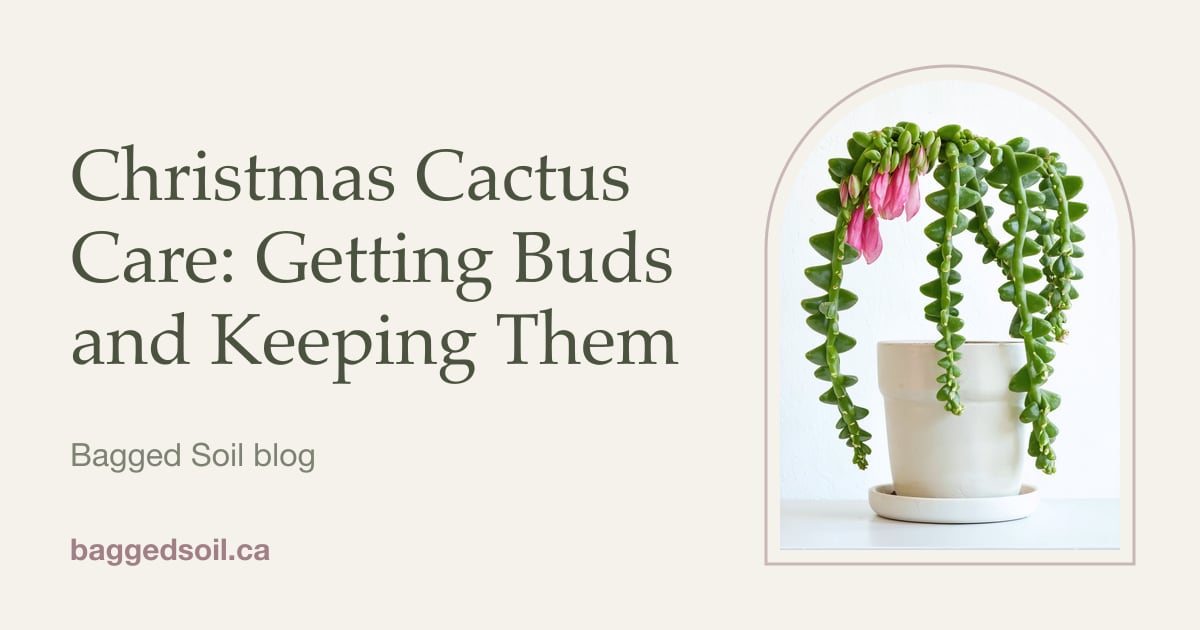
Not every succulent needs a desert mix. A few thick-leaved plants, including jade, are happy in an ordinary potting mix with extra grit, especially if you water carefully. Some succulent-like plants that grow in forests, such as Christmas cactus, like a bit more organic material than a true desert cactus. Our post on Christmas cactus care covers that one.
If you water on a strict schedule and your room is warm and bright, a slightly richer mix can work. In a dim winter room, stick to the gritty kind.
Pots matter as much as soil
Even the best soil won’t save a plant in a pot with no drainage hole. Terracotta dries faster than glazed ceramic or plastic. If you’re stuck with a decorative pot, keep the succulent in a plastic nursery pot inside it and lift it out to water.
Pick a pot only a bit wider than the plant. A big pot of soil stays wet around small roots for much longer.
Watering a succulent in a new mix
Give the soil a good soak, let the water drain out, and then wait until the soil is dry before watering again. In summer, that may be once a week or every second week. In winter, as light drops, it can be once a month. Winter houseplant care in Canada has a few tips for the dry heated months.
When to repot
Repot when roots circle the pot, when the soil has turned hard or sandy and no longer wets evenly, or when a plant lifts out of the pot easily because it has outgrown it. Spring is the usual time. Shake off most of the old soil, check the roots, and set the plant in fresh mix. Hold off watering for a few days after repotting so any damaged roots can dry.