Winter houseplant care in Canada comes down to a few simple changes: water less, skip the repotting and feeding, give plants the brightest spot you have, and keep them away from cold glass and heating vents. Most houseplants slow down in winter, and caring for them gently until spring is enough.
Short days, weak sun and dry heated air are hard on indoor plants. None of these is a disaster, and a few adjustments make a big difference.
Why plants slow down in winter
Daylight shrinks in most of Canada from late autumn through to February, and the light that does come in is lower and weaker. Plants make less energy from less light. They use less water, grow slowly or not at all, and sit in a kind of rest. Treating them as if it were still July is the most common winter mistake.
Give plants the best light you have
Light is the main limit in winter. A few moves help:
- Shift plants closer to windows. South- and west-facing windows get the strongest winter light. Plants that sat across the room in summer may do better right at the glass now.
- Clean the windows and the leaves. Dust and film block a surprising amount of light. Wipe leaves gently with a damp cloth.
- Rotate pots every week or two so all sides get light.
- Consider a grow light for plants that need strong light, like succulents. A simple LED bulb on a clamp lamp, set about 20 to 30 cm above the plant for 10 to 12 hours a day, helps keep them compact instead of stretched.
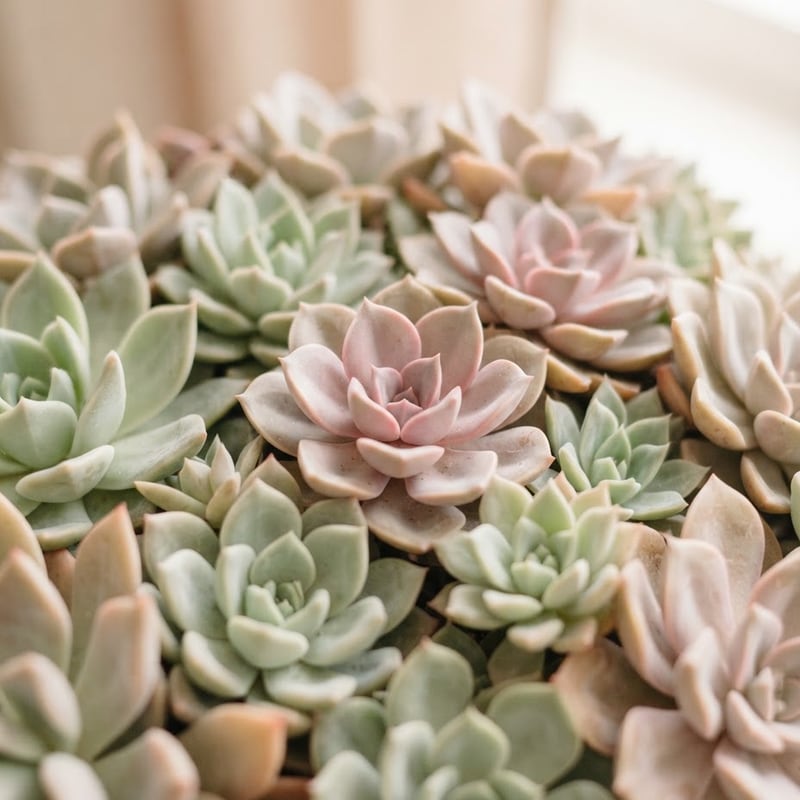
Succulents and cacti are the most affected by low light. They get leggy, with long gaps between leaves, when they stretch for the sun. Give them your brightest window.
Water less, and check first
This matters more than anything else on the list. Plants use less water in winter, and soil stays wet for much longer in cool, dim rooms. Overwatering is the top cause of houseplant loss in winter.
- Check the soil with a finger or a wooden skewer before every watering.
- Succulents, cacti, snake plants and ZZ plants: let the mix dry completely, then wait a few more days. Many only need water once a month, or even less in cool rooms.
- Aroids like pothos and monstera: water when the top few centimetres are dry. This may be every 10 to 14 days instead of every week.
- Orchids: water when the bark is nearly dry and roots look silvery.
- Use room-temperature water, since cold water can shock roots.
- Water in the morning so excess has time to drain and dry out.
If you are unsure whether a plant’s trouble is too much or too little water, our guide on overwatering vs underwatering shows how to tell.
Cope with dry heated air
Forced-air heating and baseboard heaters make indoor air very dry. Dry air shows up as brown leaf tips and edges, curling leaves and flower buds that drop.
- Group plants together. They share a bit of moisture from their leaves.
- Use a humidifier if you have lots of tropicals. It helps people and plants.
- Pebble trays add a small amount of local humidity. Keep the pot above the water line.
- Move plants away from vents and radiators. A blast of hot, dry air from a vent dries leaves and soil out quickly.
- Skip misting as a main fix. It raises humidity for only a few minutes.
Succulents and cacti are fine in dry air, which is one reason they do well in heated Canadian homes.
Watch for cold windows and drafts
Windowsills are bright but can be cold on winter nights, and glass can be much colder than the room.
- Pull plants back a few centimetres on very cold nights, or put a sheet of cardboard between the plant and the glass.
- Keep leaves from touching the glass.
- Keep tropical plants away from front doors and drafty spots that open to the outside.
- Never leave plants outside or in an unheated entry in freezing weather. Even short exposure to frost can kill most houseplants.
- Do not move plants in cold weather without wrapping them, including on the walk from a car.
Most tropical houseplants are happiest in rooms that stay around 15 to 24 °C. Below about 10 °C, many tropicals start to struggle.
Do not repot or fertilize in winter
Repotting is hard on roots. A plant that is barely growing can not recover quickly, and fresh soil in a cool room stays wet longer. Unless there is root rot, a broken pot or a pest problem, wait until spring. The signs your plant needs repotting will still be there in March.
Fertilizer is unnecessary for resting plants. Salts can build up in the soil when roots are not using them. Wait until you see new growth in spring, then start again.
Check for pests
Dry air and closed windows suit spider mites, mealybugs and fungus gnats. Look under leaves and at stem joints every couple of weeks. If you see sticky residue, fine webbing or small white fluff, isolate the plant and wipe it down. Wet soil also attracts gnats, so read our guide on fungus gnats in houseplant soil if you spot them.
Choosing soil that helps in winter
Winter is when a heavy, water-holding mix causes the most trouble, because the soil simply does not dry. Fast-draining mix gives roots more room for error.
For succulents, cacti, snake plants and ZZ plants, a gritty mix is a safer choice in dim months. Our Succulent & Cactus Mix is made of pumice, coco coir, perlite and charcoal, so water moves through quickly. If you buy new soil in winter, keep it for spring repotting, store the bag somewhere dry, and use it when the plant starts growing again.
Ordinary potting soil is fine for many foliage plants. See our guide to the best soil for indoor plants for what suits what. Our mixes contain no fertilizer.
A simple winter routine
- Once a week: check the soil, and water only the plants that are dry enough.
- Every two weeks: rotate pots, wipe dusty leaves and check for pests.
- Cold snaps: pull plants back from the window.
- Late February or March: watch for new growth. That is your cue to resume regular watering, then fertilizing, and to plan repotting.
Winter is a quiet season for plants. If yours look a little tired, that is usually fine. Keep them lightly watered, bright and warm enough, and they will start again in spring.